Agriculture · All levels
Learn from real farm trials before you invest
Study recorded case studies from working farms and compare equipment, field practices and storage options at your own pace.
- 7 topic modules
- 40+ recorded case studies
- Field decision checklists
- Unlimited access
- 14-day refund
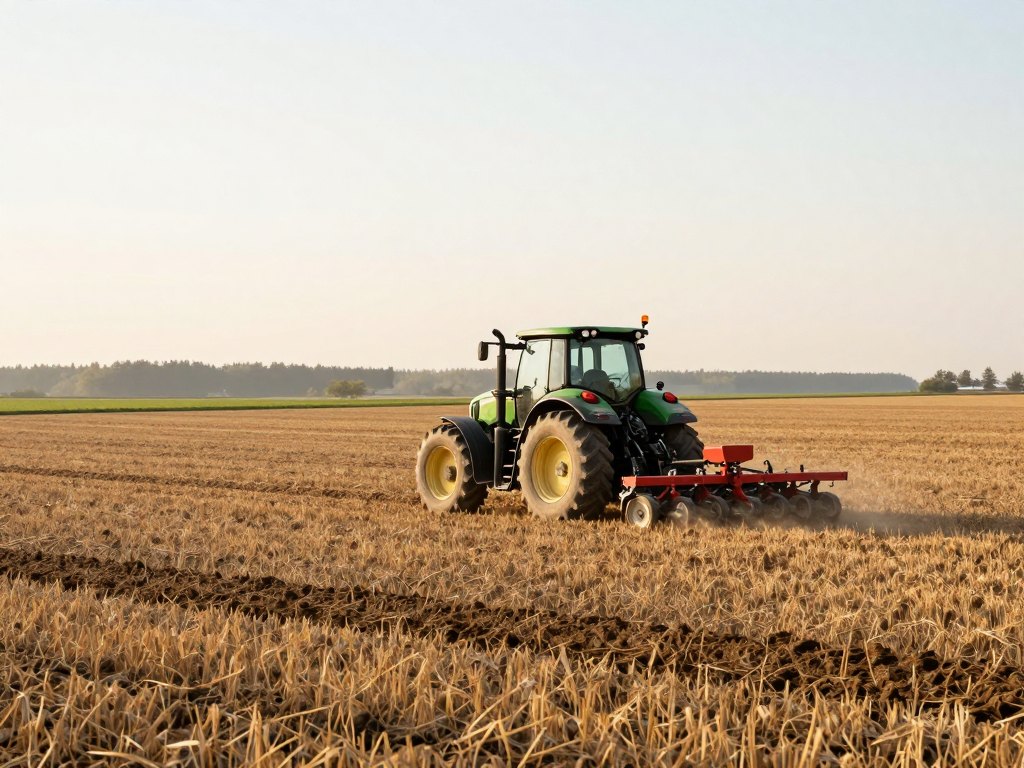
Why farm decisions need better evidence
Most farm purchases and practice changes begin with a demonstration, a dealer visit or a neighbour's result. That is useful, but it is rarely enough. A machine that performs well in one soil type can disappoint in another; a product that lifts a trial plot may not pay for itself across a whole field.
The library collects recorded case studies from real agricultural operations and turns them into a structured self-study resource. Instead of scrolling through unrelated articles, you follow seven practice areas: machinery, crop production, digital systems, plant protection, grain storage, seeds and dairy.
Each case is presented as a decision problem, not a sales pitch. You see what was tested, which conditions mattered, what changed in the field and which questions remained open. The aim is to help you ask sharper questions before you spend money or alter a routine.
You can work through the library in order or jump to the topic you need this season. The lessons are recorded, so you can pause, take notes and return when a real decision appears.
What you will be able to do
Use the cases as a practical reference for the next equipment, field or storage decision.
- Compare machinery options using field criteria
Assess tractors, sprayers, tillage tools and seeding equipment by soil, workload and operating conditions.
- Read a trial result without overclaiming
Separate a genuine field effect from weather, soil variation and differences in management.
- Plan crop rotations around moisture and workload
Use case evidence to review sowing windows, field traffic and harvest logistics.
- Use drone and map data in scouting
Understand where digital tools add useful information and where they simply add noise.
- Build a practical plant protection programme
Compare seed treatments, fungicide timing, biological products and foliar nutrition.
- Reduce grain storage losses
Review drying, cleaning, sorting and temporary storage choices before grain goes into the bin.
- Choose varieties with clearer criteria
Read maturity, disease profile and yield stability information with a more critical eye.
- Review dairy and forage routines
Study herd management, robotic milking, silage quality and feed distribution practices.
- Create a one-page decision brief
Turn a case study into questions, checks and next steps for your own operation.
- 7
- topic modules
- 40+
- recorded case studies
- 7
- practice areas
How the library works
The library is made of recorded video case studies, written summaries and short decision checklists. Each module opens with the practical question behind the cases, then moves through equipment, field results and operating lessons.
There is no fixed schedule and no live session to attend. You can watch one case in half an hour or study a full module over a weekend. The material is designed for farm managers, agronomists and owners who need to compare options without leaving the farm.
You do not need special software. Lessons play in a browser on a phone, tablet or computer. Checklists are provided as printable pages so you can take them to a field walk, a dealer meeting or a planning session.
The library is a reference you keep. New questions often appear later in the season, so the lessons remain available in your account after purchase.
The library modules
Seven modules group the case studies by the decision area they support. Each lesson is recorded and self-paced.
1Machinery and field equipmentCompare tractors, sprayers, tillage tools, seeding equipment and support machines through real operating cases.6 lessons · self-paced
- Reading a machinery trial: what the case records and what it leaves out
- Comparing tractor configurations for soil, slope and haulage work
- Self-propelled sprayers: boom stability, tank size and application windows
- Tillage tools: disc harrows, cultivators and deep rippers in real conditions
- Seeding complexes: calibration, downforce and emergence checks
- Telehandlers, grain carts and support machines in daily use
2Crop production systemsReview rotation, field preparation, sowing and harvest decisions from working crop operations.5 lessons · self-paced
- Planning a crop rotation around soil moisture and workload
- Field levelling and water regulation before the season starts
- Sowing date, seed rate and row spacing decisions from field trials
- In-season scouting and decision points for cereals and oilseeds
- Harvest logistics and field traffic that protect soil structure
3Digital systems and ag dronesSee how farms use drones, guidance, mapping and farm data in practical field work.5 lessons · self-paced
- What farm data is worth collecting and what can wait
- Using drones for crop scouting and treatment planning
- Plant density counting and map layers from digital tools
- Auto-steer and guidance: setup, overlap and operator habits
- Building a simple digital record that survives staff changes
4Plant protection and nutritionStudy product trials, seed treatments, fungicide programmes, biological products and foliar nutrition.6 lessons · self-paced
- Reading a product trial without confusing correlation with cause
- Seed treatments: what to compare across varieties and soils
- Fungicide programmes in cereals: timing, dose and resistance checks
- Biological products and biostimulants: realistic expectations
- Foliar nutrition and liquid fertilisers in field conditions
- Stubble digesters and residue management: measuring the effect
5Grain drying, cleaning and storageFollow grain from intake to storage through drying, cleaning, sorting and temporary storage cases.5 lessons · self-paced
- Grain intake: moisture, impurities and drying cost
- Choosing and running a grain dryer without damaging quality
- Cleaning lines, screens and aspiration for better lots
- Photo-separators and optical sorting in real grain flows
- Polymer bags, silos and temporary storage: risk checks
6Seeds, varieties and hybridsCompare variety descriptions and field experience for cereals, oilseeds, sunflower, soy and forage crops.5 lessons · self-paced
- Reading a variety description: maturity, disease profile and yield stability
- Sunflower hybrids: population, nutrition and harvest timing
- Oilseed rape: autumn establishment and winter survival checks
- Cereal varieties: sowing windows and nitrogen planning
- Soybean and forage legumes: inoculation, planting depth and harvest
7Dairy and forage operationsReview herd management, milking routines, silage quality and feed distribution through farm cases.5 lessons · self-paced
- Herd management software: what to track daily and weekly
- Robotic milking: routines, alarms and cow flow
- Silage quality from field to feed bunk
- Forage preservatives and feed additives: trial design basics
- Calf feeding systems and labour planning
What you get
- Seven recorded modules
A structured path through machinery, crops, digital tools, plant protection, storage, seeds and dairy.
- 40+ case-study lessons
Recorded examples from working farms, each focused on a practical decision.
- Field decision checklists
Short printable pages for dealer meetings, field walks and planning sessions.
- Equipment comparison tables
Criteria for comparing tractors, sprayers, tillage tools and seeding equipment.
- Trial-reading worksheets
Questions that help you separate a real field effect from background variation.
- Printable planning pages
Simple templates for turning a case study into next steps for your own operation.
- Unlimited access
Return to the lessons whenever a new season or purchase decision appears.
- 14-day refund window
Review the library after purchase and request a refund within 14 days if it is not right for you.
Is this library for you?
This course is for you if…
- Farm owners and managers comparing equipment or practice changes
- Agronomists who want a wider view of field trials and operating cases
- Dairy and crop operation supervisors responsible for routines and planning
- Students and new specialists building practical judgment
- Advisers who need a structured reference library for client conversations
Probably not a fit if…
- People looking for one-to-one consulting or a custom farm plan
- Anyone who wants hands-on machinery operation training
- Readers who want a ready-made prescription for their own farm
- People who expect a formal qualification
- Buyers who want a single product recommendation without field context
After the library: clearer decisions, fewer blind spots
You finish with a working reference, not a pile of notes. When a dealer presents a new machine, you know which field questions to ask. When a product trial looks impressive, you can separate the result from the conditions that produced it.
For crop planning, you have a set of comparisons for rotations, sowing, scouting and harvest logistics. For storage, you can review moisture, cleaning and sorting decisions before grain goes into the bin. For dairy and forage, you can check routines that affect feed quality and labour.
The library does not replace local advice or your own field records. It gives you a structured way to use both. You can take a checklist to a meeting, pause a lesson before a purchase and return to the cases when the next season brings a new question.
Questions before you start
How much time do I need?
There is no fixed schedule. Most learners watch one case study in 30–60 minutes; a full module can be studied over a weekend. You can move faster or slower depending on the decision in front of you.
Do I need farming experience?
No. Basic familiarity with farm operations helps, but each case explains the context and the terms used. New specialists and experienced managers can both use the library.
How do I get access after payment?
After checkout you receive access to the learning account by email. The library opens in your browser and you can start with any module.
What is the refund policy?
You have 14 days from purchase to request a refund. If the library is not right for you, contact support within that window and we will process the refund.
What format are the lessons in?
Lessons are recorded video case studies with written summaries and checklists. There are no live sessions and no fixed class times.
Does the material stay available?
Yes. The library remains in your account after purchase, so you can return to the cases when a new season or purchase decision comes up.
Can I use the library on a phone?
Yes. The lessons play in a browser on phone, tablet or computer. Printable pages can be downloaded for field use.
Are the cases specific to one region?
The cases come from different soil, climate and farm conditions. Use them as a framework for questions, not as a prescription for your own fields.
Do I need to buy any software?
No. You need a browser and an internet connection. The digital systems module discusses farm software and drone data, but you do not need those tools to study the cases.
Will this tell me exactly which machine or product to buy?
No. The library teaches you how to compare options and read trial evidence. The final choice still depends on your soil, budget, labour and local support.
Build your farm decision reference
Work through seven practice areas at your own pace and keep the checklists for the next season.