Cooking · Wine · Beginner
Learn to taste, choose and talk about wine with confidence
A three-month self-paced programme that takes you from grape varieties and regions to tasting notes, food pairing and buying decisions you trust.
- 35 recorded lessons
- 7 structured modules
- Tasting and note-taking worksheets
- Lifetime access to the material
- 14-day money-back guarantee
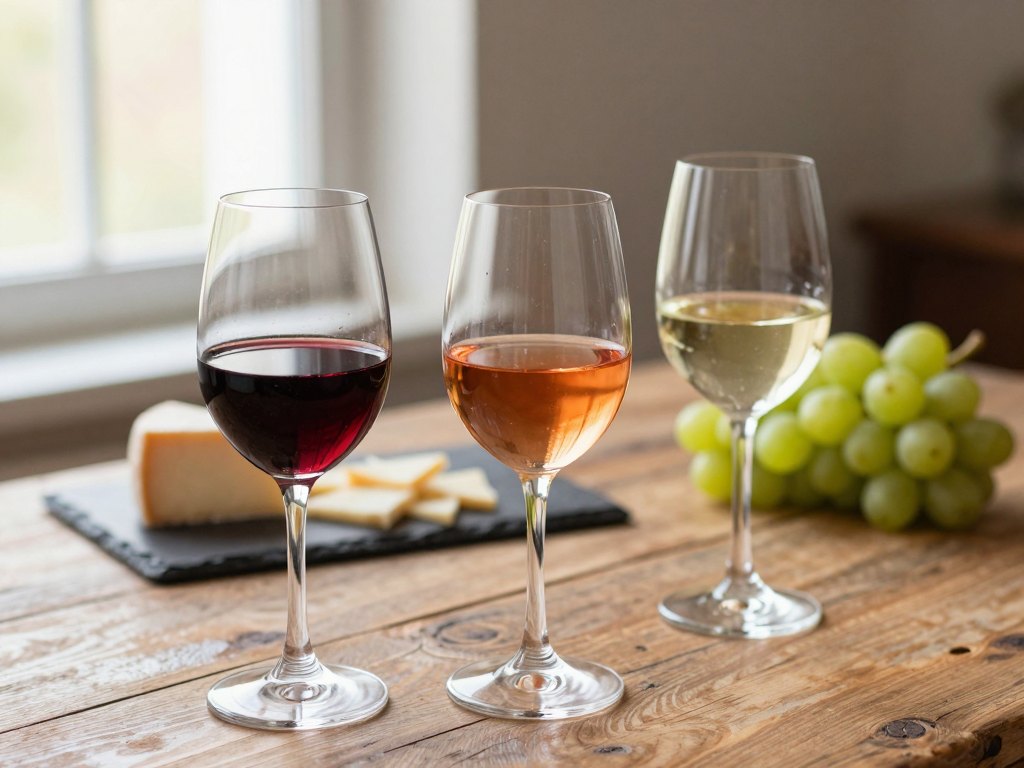
Why wine still feels like a closed door
You stand in front of a shelf of forty bottles and pick the one with the prettiest label. In a restaurant the list arrives and you order the second-cheapest wine because it feels safe. At a dinner party someone swirls a glass, says something about blackcurrant and cedar, and everyone nods — including you, though you are not entirely sure what you were supposed to be smelling.
None of this is the knowledge problem people imagine it to be. Wine is a craft with a small number of moving parts: a grape, a place, a fermentation and some patience. Once you can see how those parts fit together, labels stop being noise and tasting vocabulary stops being a secret code.
This programme gives you that map in a structured way. It moves from how wine is actually made, through the grape varieties and regions that matter, into tasting technique, food pairing and the practical business of buying, storing and serving.
It is self-paced: you watch, you work through the worksheets, you taste when you can, and you keep everything for later. No prior knowledge is assumed, and nothing is left at "you either have the palate or you don't".
What you will be able to do
By the end of the programme you will have a working system, not a pile of trivia.
- Explain how each style of wine is made
Red, white, rosé, sparkling, sweet and fortified — and what in the process creates the difference.
- Recognise the main grape varieties
Use aroma families and structure to place a wine in the right variety group, even blind.
- Read a wine label properly
Understand what the region, producer, vintage and classification lines actually tell you.
- Link a wine to its place and climate
See why the same grape tastes different in a cool valley and a warm coast.
- Taste with a repeatable method
A four-step grid — sight, nose, palate, conclusion — that works on any bottle.
- Write a tasting note others can use
Describe sweetness, acidity, tannin, body and aroma in plain, precise language.
- Pair wine with food on purpose
Match weight, acid, salt, fat and spice instead of guessing from old rules.
- Choose confidently from a list or a shelf
Know where value hides and how to order without panic in a restaurant.
- Store and serve wine at its best
Temperature, glassware and decanting, with or without a proper cellar.
- 7
- structured modules
- 35
- recorded lessons
- 12
- weeks at a steady pace
The method: taste, describe, compare
The programme is built around one habit that separates people who know wine from people who have read about it: tasting with a fixed structure and writing down what you find. Every module ends with a short practical exercise that uses the same grid, so the vocabulary you learn in week two is still the vocabulary you use in week twelve.
The second habit is comparison. Instead of studying a grape variety in isolation, you taste or read about it next to a neighbour — Chardonnay from a cold limestone slope next to Chardonnay from a warm inland valley, a Cabernet-led blend next to a single-variety Syrah. Differences are what make a style memorable, and the worksheets are designed around pairs and trios rather than single bottles.
The third is honesty about your own palate. The course never tells you that a wine is objectively good. It teaches you to identify what is in the glass, decide whether you like it, and explain why — which is the only skill that survives contact with a real wine list.
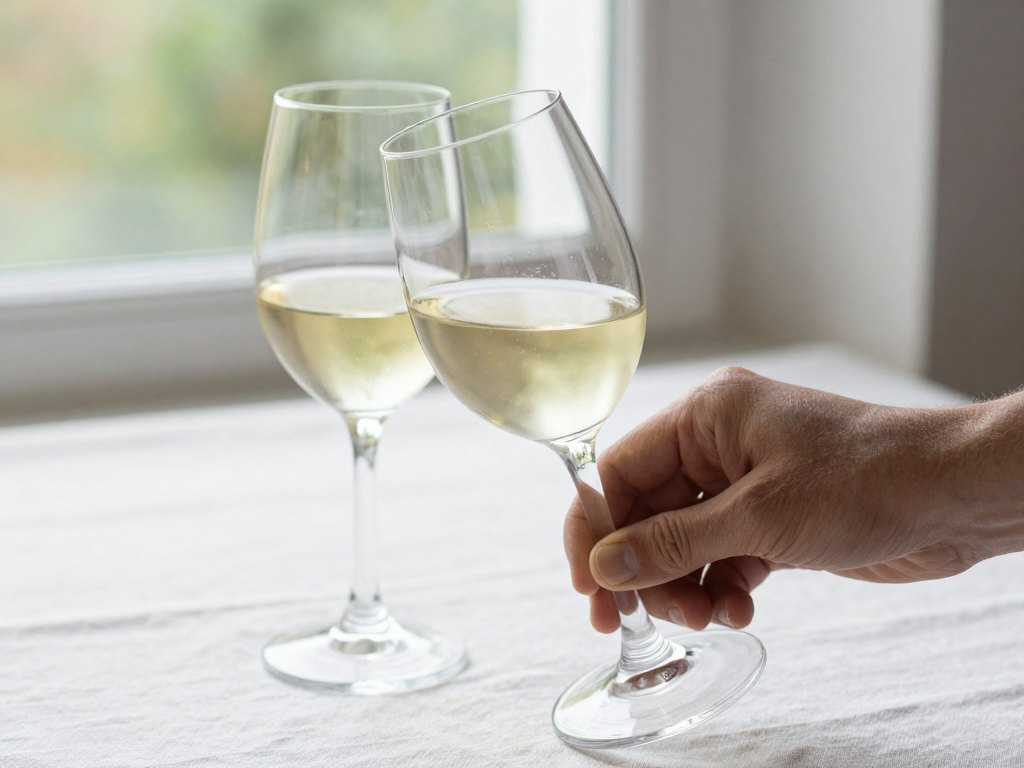
How the course works
The programme is delivered as recorded video lessons with written notes and downloadable worksheets. You work through seven modules in order, at whatever pace suits you: most people watch one or two lessons a week and spend a little longer on the tasting exercises, which brings the whole programme to roughly twelve weeks.
There is no live schedule to keep up with and nothing to attend. Each module opens with a short overview, then the lessons, then a practical assignment — a tasting grid to fill in, a label to decode, a pairing to plan. You can complete the assignments with the wines you already drink; the course suggests styles and price bands rather than specific bottles.
Everything sits in one course library that stays open to you after you finish. If you come back to the region module a year later before a trip, or want the pairing notes before a dinner, the material is still there, unchanged and complete.
The programme
Seven modules, thirty-five lessons, from the vineyard to the table.
1Module 1 — How wine is madeThe process behind every bottle, explained without jargon.5 lessons
- From grape to juice: the anatomy of a berry
- Fermentation explained in plain language
- Red, white and rosé: where the difference really comes from
- Oak, steel and clay: what the vessel does to a wine
- Reading a wine label line by line
2Module 2 — The great grape varietiesAroma families and structure as a route into variety recognition.5 lessons
- Aroma families: how to group varieties in your head
- Riesling, Sauvignon Blanc and the aromatic whites
- Chardonnay: from cold limestone to warm-climate richness
- Cabernet Sauvignon, Merlot and the architecture of reds
- Syrah, Grenache and the warm-south reds
3Module 3 — Regions and what shapes themClimate, soil and tradition, and how they show up in the glass.5 lessons
- Climate, soil and slope: the three levers of style
- France: Bordeaux, Burgundy and the Rhône compared
- Italy: acidity, tannin and regional diversity
- Spain, Portugal and the old-vine tradition
- The New World: Chile, Argentina, Australia, New Zealand, South Africa
4Module 4 — Tasting like a professionalA repeatable four-step grid you can use on any bottle.5 lessons
- Setting up a tasting: glass, light, temperature, order
- The four-step grid: sight, nose, palate, conclusion
- Sweetness, acidity, tannin, alcohol and body
- Building your own aroma vocabulary
- Writing a tasting note someone else can understand
5Module 5 — Wine with foodPairing by weight, acid, salt, fat and spice instead of folklore.5 lessons
- The old rules and why they so often fail
- Weight and intensity: matching the wine to the plate
- Acid, salt, fat and spice: what each does to a wine
- Cheese, chocolate and the difficult pairings
- Building a three-wine menu for a dinner
6Module 6 — Sparkling, sweet and fortifiedThe special-occasion bottles, demystified.5 lessons
- How bubbles get into the bottle
- Champagne, Prosecco, Cava and Crémant compared
- Sweet wines: botrytis, late harvest and ice wine
- Port, sherry and Madeira: styles and uses
- Serving and pairing the celebration bottles
7Module 7 — Buying, storing and servingThe practical side: lists, shops, storage and service.5 lessons
- Reading a restaurant list without panic
- Where value hides: region, producer and vintage
- Storing wine at home without a cellar
- Serving temperature, decanting and glassware
- Building a small collection that fits your budget
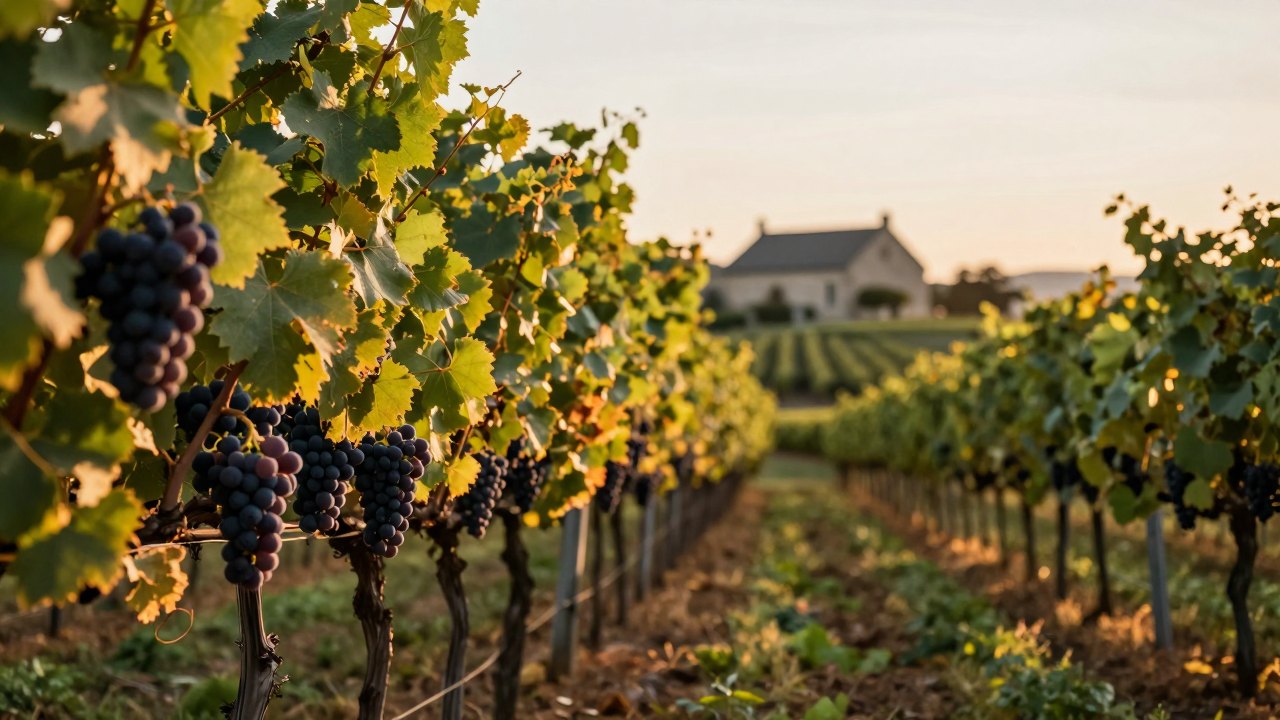
What you get
Everything is delivered online and stays in your library.
- 35 recorded video lessons
Short, focused sessions you can watch in one sitting and rewatch at any time.
- Seven module workbooks
Written notes that summarise the key points and give you something to return to.
- A tasting grid template
The same four-step structure used throughout the course, ready to print or fill in digitally.
- Practical assignments
Label decoding, comparison tastings and pairing plans that turn each module into a skill.
- A region and variety reference
A compact map of the main grapes, places and styles for quick lookups.
- A buying and serving checklist
What to look for on a list or a shelf, and how to store and serve what you buy.
- Lifetime access
No expiry date and no subscription — the material remains available after you finish.
Is this course for you?
This course is for you if…
- You enjoy wine and want a structured way to learn about it rather than random articles.
- You work in hospitality, retail or events and need to speak about wine with customers.
- You are tired of choosing bottles by label and want a method for buying well.
- You are planning a trip to a wine region and want context before you go.
- You are a complete beginner who prefers a clear path to scattered tips.
Probably not a fit if…
- You want live tastings, group calls or someone tasting alongside you in real time.
- You expect a list of specific bottles to buy — the course teaches styles and criteria instead.
- You already work professionally with wine and need advanced cellar or winemaking detail.
- You are looking for a formal sommelier exam path with graded assessments.
After the course
You walk into a wine shop and the shelf becomes readable. You recognise the shape of a label, you know which grapes and regions sit behind a style you like, and you can pick something unfamiliar with a reasonable expectation of what it will taste like.
In a restaurant you order without the small panic. You read the list, ask a sensible question, and if the wine is not what you hoped for, you can say what is missing rather than simply not liking it.
At home you have a short set of notes you actually use: a tasting grid, a pairing reference, a serving checklist. Wine stops being a subject you don't know enough about and becomes a hobby with a method behind it.
Questions before you buy
How much time do I need each week?
Most people spend two to three hours a week: one or two recorded lessons plus the worksheet. At that pace the programme takes about twelve weeks. Nothing is scheduled, so you can go faster or slower.
Do I need any prior knowledge?
No. The programme starts with how wine is made and assumes you have never studied it. If you already know the basics, the region, tasting and pairing modules will still add structure to what you know.
Do I have to buy wine to follow the course?
The tasting exercises work best with a glass in front of you, and the course suggests styles rather than specific bottles so you can use what you already drink. If you prefer not to taste, the lessons and worksheets still work on their own.
How do I get access after payment?
As soon as your payment is confirmed you receive an email with your login to the course library. Everything is online and self-paced, so you can start the same day.
What format are the lessons in?
Recorded video lessons with written module notes and downloadable worksheets. Each module ends with a practical assignment you complete on your own.
How long do I keep the material?
Access does not expire. The lessons, notes and worksheets stay in your library after you finish, so you can return to any module whenever you need it.
What is the refund policy?
You have 14 days from purchase to request a refund. Write to support, tell us it is not for you, and the payment is returned — no lengthy justification required.
Can I follow it if I work in a restaurant or shop?
Yes. The tasting grid, region reference and buying checklist are written to be used at work as well as at home, and the language is deliberately practical rather than academic.
Start with the first module this week
Seven modules, thirty-five lessons and a tasting method you will keep using — with 14 days to change your mind.