Creative · All levels
Sew a wardrobe that fits, from one pattern library
Twenty-four print-ready pattern sets across six garment sections, with fitting notes so each piece ends up the size you actually wear.
- 24 pattern sets, six sections
- A4 and A0 print files
- Fitting and adjustment notes
- Instant download after payment
- Lifetime access to your files
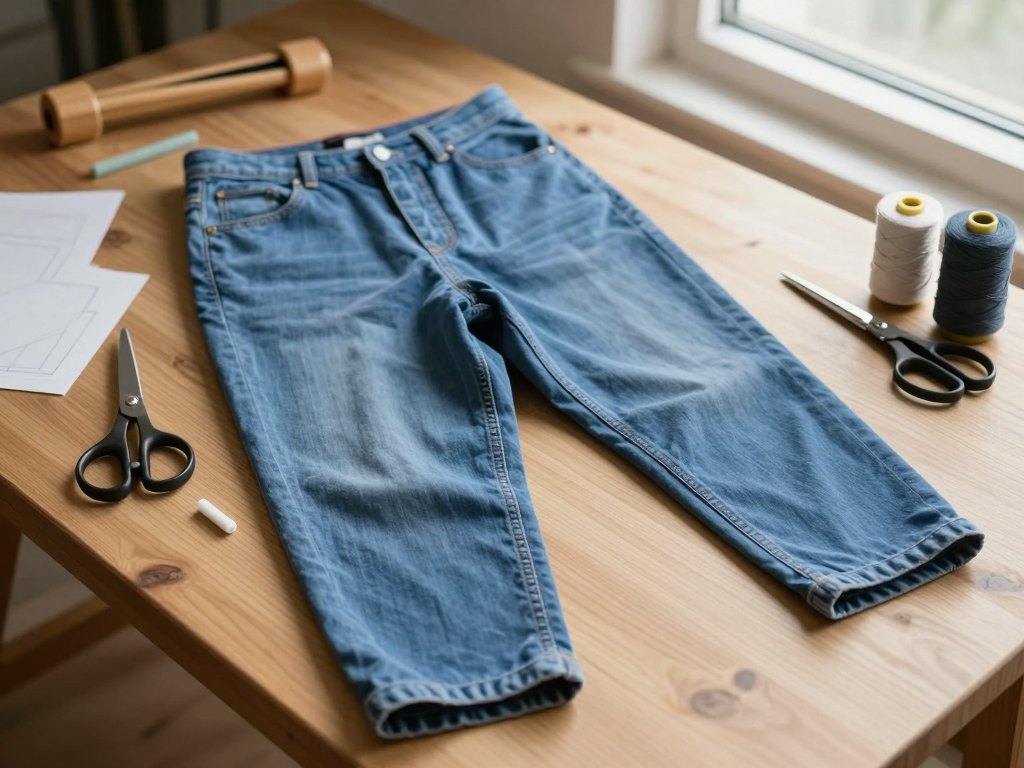
Why a folder of single patterns never becomes a wardrobe
Most home sewers do not run out of enthusiasm. They run out of patterns that fit. You buy one dress pattern, cut it once, and the result is almost right — a little tight across the back, a little long in the waist — but by the time you have adjusted it the season has changed and the folder goes back in the drawer. The next project starts the search from zero.
A single pattern teaches you one garment. A library teaches you a family of garments: the same crotch curve on three pairs of trousers, the same collar construction on a shirt and a coat, the same elastic finish on a bralette and a pair of briefs. That repetition is where speed comes from, and it is what this library is built around.
The patterns are grouped into six garment sections — trousers, blouses and tops, dresses, suits and knitwear, outerwear, and lingerie. Inside each section the sets sit next to each other, so when the first pair of trousers is done you already understand how the second one goes together before you cut the fabric.
Everything is a download. You print the size you need, follow the assembly order, and keep the files for the next version. There is no schedule to keep up with and no project you have to finish by a particular week.
What you will be able to make
Each pattern set is a complete garment, not a fragment of one.
- Cut and sew straight-leg trousers with a working fly
Fly shield, waistband and pocket bags included in the assembly order.
- Build a collared shirt with a stand and a proper cuff
The collar sequence is broken into short, ordered steps.
- Sew a dress with a fitted bodice and a clean-hanging skirt
Dart placement and waist ease are explained before you cut.
- Assemble a blazer with a notched lapel
Canvas-free construction that still holds its shape at the roll line.
- Work confidently with stretch fabrics
Negative ease, stitch choice and hem finishes for knit tops and leggings.
- Make a coat or parka that sits properly on the shoulders
Sleeve setting and interfacing choices for heavier cloth.
- Sew a soft-cup bralette and high-waisted briefs
Elastic tension and stretch ratios measured rather than guessed.
- Adjust any pattern to your own measurements
A repeatable fitting routine you can apply to every set in the library.
- Print and assemble pattern sheets without guessing scale
Test-square checks for home printers and print-shop files alike.
- 6
- garment sections
- 24
- pattern sets
- A4 + A0
- print formats
- Lifetime
- access to your files
How the library works
Every pattern set arrives as a digital file you download to your own device. Each one contains the pattern pieces, a size chart with finished-garment measurements, a short fabric note, an assembly order and step-by-step sewing instructions for the details that matter — the fly, the collar, the lapel, the elastic.
The pieces are marked with seam allowances, grainlines, notches and balance points, so you spend your time at the machine rather than working out which edge joins which. Sizes are chosen from the finished measurements rather than from a label, which is the single change that stops most fitting problems before they start.
The library is entirely self-paced. You open the section you need, print the size you need, and work through it when you have an evening or a weekend. Nothing expires, nothing is released on a schedule, and the files stay in your account for as long as you need them.
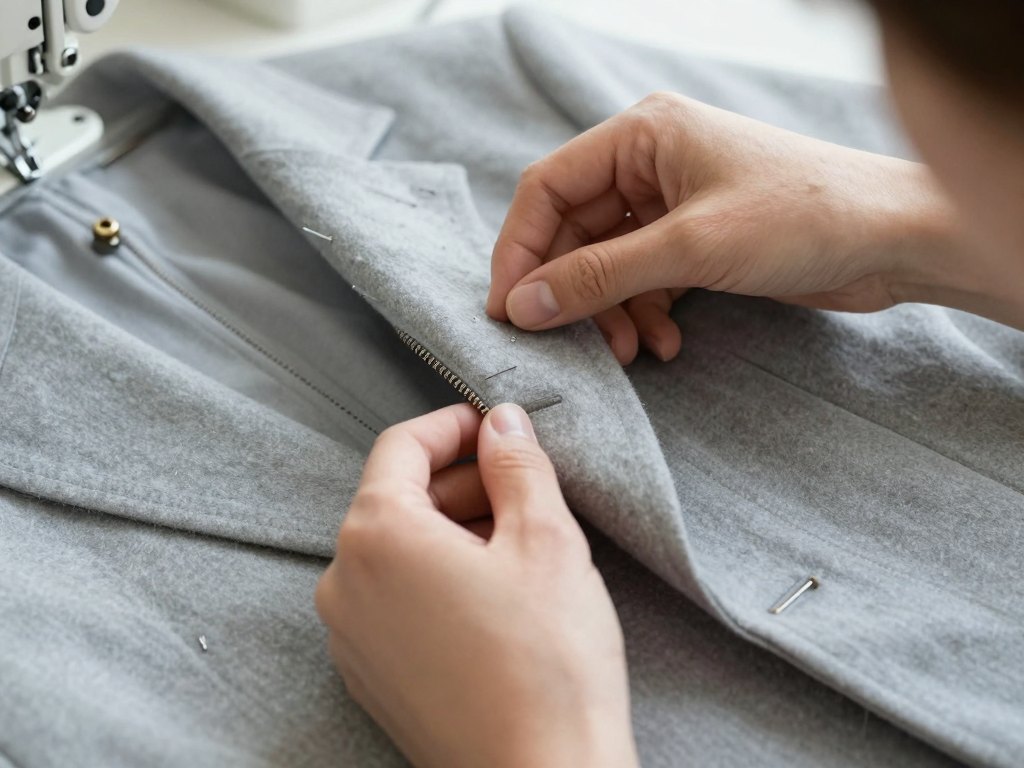
The six sections
Each section holds four pattern sets and the fitting lesson that goes with them.
1Section 1 — TrousersFour trouser sets built on the same block, so the fit work carries over.4 pattern sets · A4 + A0 files
- Classic straight-leg trousers: pattern set and seam plan
- High-waisted wide-leg trousers with front pleats
- Cropped tapered trousers with an elastic back waist
- Fitting the crotch curve, the seat and the finished hem length
2Section 2 — Blouses and topsCollars, facings and sleeves explained once and reused across the section.4 pattern sets · A4 + A0 files
- Relaxed shirt with a two-piece collar and a cuffed sleeve
- Sleeveless shell top with a faced neckline and armhole
- Wrap-style blouse with a tie belt and a soft drape
- Fitting shoulders, bust darts and sleeve length
3Section 3 — DressesThree silhouettes and the toile routine that makes them fit.4 pattern sets · A4 + A0 files
- Sheath dress with darts and a back vent
- Fit-and-flare dress with a gathered skirt and a waist seam
- Straight-cut shift dress with a boat neckline
- Adjusting waist and hip ease on a dress toile
4Section 4 — Suits and knitwearTailored structure on one side, stretch fabrics on the other.4 pattern sets · A4 + A0 files
- Relaxed blazer with a notched lapel and patch pockets
- Straight-cut waistcoat with a shaped front edge
- Knit top and leggings set drafted with negative ease
- Stretch fabrics: seam types, needle choice and hem allowances
5Section 5 — OuterwearCoats and jackets where the lining and interfacing do the work.4 pattern sets · A4 + A0 files
- Unlined coat with a shawl collar and a dropped shoulder
- Hooded parka with a two-piece sleeve and a zip placket
- Lined jacket: bagging out the lining and finishing the hem
- Choosing interfacing and allowances for heavy fabrics
6Section 6 — LingerieSmall pieces where a centimetre of elastic tension changes everything.4 pattern sets · A4 + A0 files
- Soft-cup bralette with adjustable straps and a hook closure
- High-waisted briefs with a lined gusset
- Bodysuit with a snap closure and a scooped back
- Sizing, stretch ratios and elastic tension for lingerie fabrics
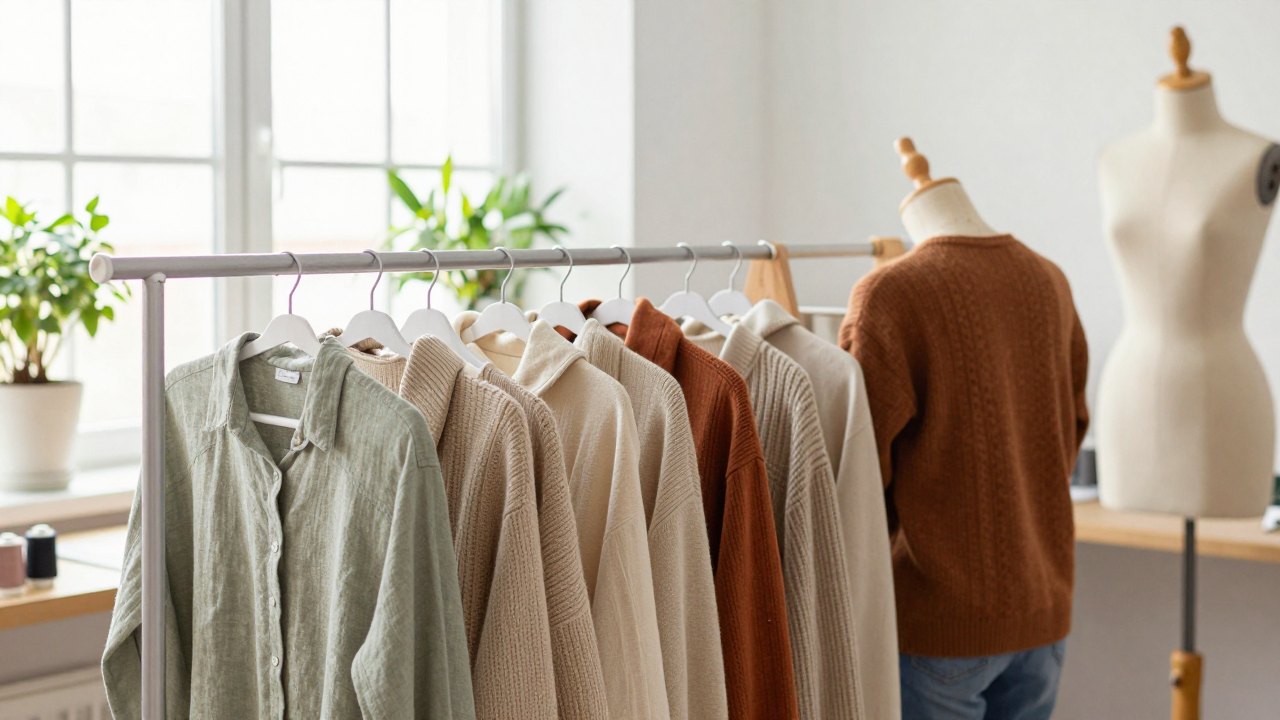
What you get
- 24 print-ready pattern sets
Four sets in each of the six garment sections.
- Two print formats for every set
Tiled A4 sheets for a home printer and A0 files for a print shop.
- Size charts with finished measurements
So you choose a size by the garment, not by the label.
- Marked pattern pieces
Seam allowances, grainlines, notches and balance points on every piece.
- Fitting notes per garment type
The adjustments each shape usually needs, in the order to make them.
- Assembly order and fabric notes
What to cut first, what to interface, and which cloth suits the shape.
- Step-by-step construction instructions
Detailed sequences for flies, collars, lapels, linings and elastic.
- Permanent access to your downloads
Re-download any file whenever you start a new project.
Printing, sizing and fitting without the guesswork
Print the first page of any set and measure the test square before you cut anything. If it measures correctly, the rest of the sheets will tile accurately; if it does not, your printer is scaling the page and one setting fixes it. The A0 files exist for the same reason — a print shop can run a full set on a single sheet with no taping at all.
Choose your size from the finished-garment measurements, then compare them with a garment you already own and like. That comparison tells you more than any body measurement, because it accounts for the ease the pattern was drafted with. Where you fall between two sizes, the fitting notes explain which seams to blend and in what order.
The fitting lessons are written as a routine rather than a list of fixes: sew a quick toile in cheap cloth, mark the changes on the toile, transfer them to the paper, then cut the real fabric once. Applied consistently, that routine turns every set in the library into a pattern that fits you specifically.
Is this library for you?
This course is for you if…
- Home sewers who can thread a machine and sew a straight seam but want garments that fit properly
- People who are tired of buying one pattern at a time and starting the fitting work over each season
- Sewers who want a reference shelf of trouser, top, dress, jacket, coat and lingerie blocks in one place
- Anyone who prefers to work at their own pace, printing only the section they need right now
Probably not a fit if…
- Complete beginners who have never used a sewing machine — start with a basic sewing course first
- Sewers looking for ready-made clothing or a finished garment service; this is a library of digital patterns
- People who want a taught, scheduled class with live feedback on their sewing
- Anyone hoping for graded patterns in every conceivable size; each set covers a defined size range with fitting guidance
After the library
The practical difference shows up in how you plan a project. Instead of searching for a pattern that might work, you open the section that matches the garment you need, print the size you already know, and start cutting the same evening. The fitting work is mostly done because you have done it once and written it down.
The second difference is fabric. Once the shapes are familiar, you stop buying cloth for a pattern you have never sewn and start matching cloth to a garment you understand — a heavier wool for the unlined coat, a stable jersey for the knit set, a firm cotton poplin for the collared shirt.
The third is range. Trousers, tops, dresses, tailoring, outerwear and lingerie in one place means the library covers most of a wardrobe rather than one occasion, and the same construction habits carry from the first pair of trousers to the last pair of briefs.
Questions before you download
How much time do I need each week?
There is no weekly schedule. The library is reference material you work through at your own pace: some people sew one garment a month, others print three sets in a weekend. A pair of trousers typically takes an evening for the toile and a day at the machine.
Do I need sewing experience?
You should be comfortable with a sewing machine, a basic seam and a simple hem. The instructions cover the construction details in order, and the fitting lessons assume no prior pattern-adjustment experience, but this is not a first-sewing course.
What do I need before I start?
A sewing machine, basic tools (scissors, pins, tape measure, chalk), fabric for a toile and for the garment, and either a home printer for the A4 sheets or a print shop for the A0 files. A French curve and a set square help with the fitting adjustments.
How do I get access after payment?
The download links appear in your account as soon as the payment is confirmed, and the confirmation email repeats them. You can download individual sets or the whole library at once, and re-download any file later.
What format are the lessons and patterns in?
Everything is digital. Patterns come as PDF files in two layouts — tiled A4 pages and full-size A0 sheets — and each set includes written instructions, a size chart and fitting notes. There are no video lessons and nothing to attend.
Can I print the patterns at home?
Yes. The A4 files are laid out to tile with alignment marks, and a test square on the first page confirms your printer is not scaling the page. For large pieces such as coat panels, the A0 file at a print shop is quicker and avoids taping.
What is the refund policy?
You have 14 days from purchase to request a refund. Write to support with your order number and the reason; once the request is approved the payment is returned to your original payment method.
Does the material stay available?
Yes. Your access does not expire, and any corrected or updated files added to the library later appear in the same place at no extra cost.
Are the patterns available in several sizes?
Each set includes a size chart with finished-garment measurements covering a defined range. The fitting notes explain how to blend between two sizes and where to add or remove length, so you can adapt a set to measurements outside the chart.
Open the section you need tonight
Twenty-four pattern sets, six garment sections and the fitting notes that make them yours — downloaded once, used for years.