Fitness · All levels
Keep your body mobile, upright and full of energy
A recorded yoga programme for women who want a calm, structured practice they can return to at any age and any level of fitness.
- 24 recorded lessons
- 6 practice modules
- Sessions from 10 minutes
- Self-paced, no fixed schedule
- 14-day money-back guarantee
Why the body starts to feel older than it is
You sit for most of the day, you carry bags, you sleep on one side, and somewhere between work and family there is no time left for yourself. In the morning the first ten steps feel stiff. By evening your shoulders are somewhere near your ears and your lower back has an opinion about the chair you have been in since nine.
Most women in this situation do not need a harder workout. They need a practice that is gentle enough to do on a tired day and structured enough to change something over months: hips that open again, a back that holds itself up, a breath that goes all the way down instead of stopping at the collarbone.
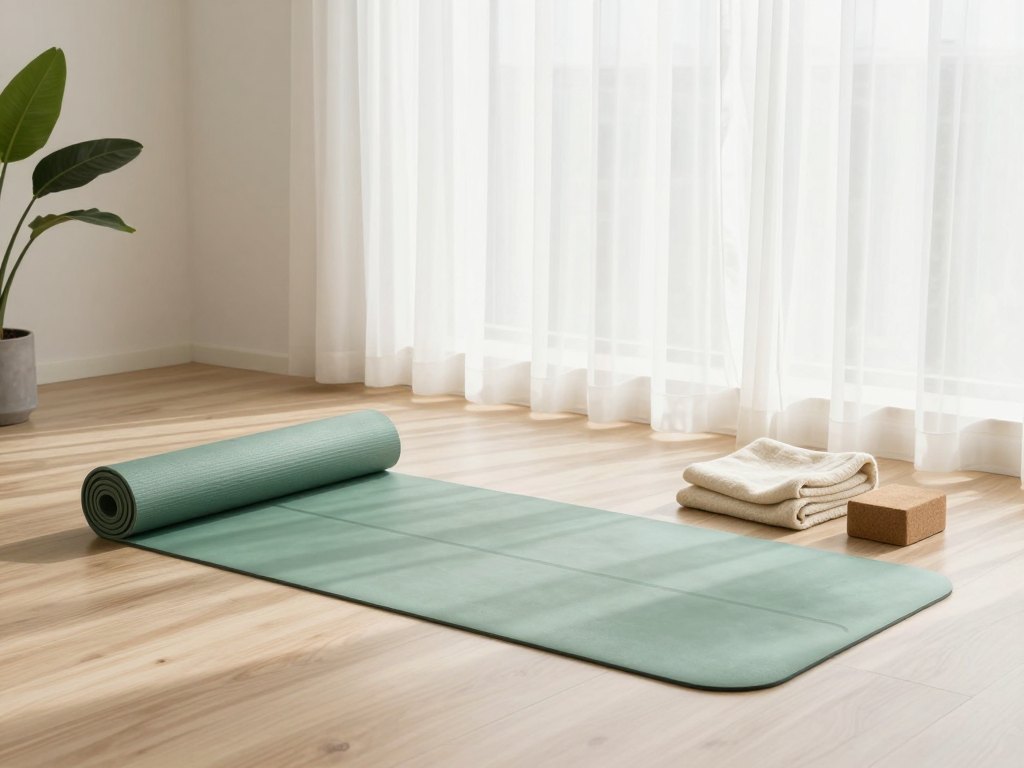
The Yoga of Youth programme was built for exactly this. It is a recorded, self-paced library of short yoga sessions for women of any age and any starting level, arranged in a clear order so you are never guessing what to do next. You do not need to be flexible. You do not need to be fit. You need a mat, a wall and about fifteen minutes.
The lessons move slowly and explain what they are doing and why, so the practice becomes something you understand rather than something you imitate. Over weeks, the small daily work adds up: easier movement in the morning, better posture at the desk, calmer evenings, and a routine that survives a busy week instead of collapsing on the first one.
What you will be able to do
By the end of the programme you will have a practice you can run on your own, without a screen in front of you.
- Move through a full joint warm-up
Wake up the neck, shoulders, spine, hips and ankles in ten minutes before the day starts.
- Hold better posture through a working day
Use simple upper-back and core work to sit and stand with less strain.
- Breathe slowly and fully on demand
Lengthen the exhale to settle a racing system after a difficult meeting or a long commute.
- Open tight hips and shoulders safely
Progress through poses in the right order instead of forcing a stretch you saw online.
- Build balance and leg strength
Practise standing poses with wall support so stairs, hills and travel feel easier.
- Wind down with a restorative evening sequence
Use pillows and a bolster for a short practice that ends the day instead of scrolling through it.
- Design your own weekly routine
Combine ten-, twenty- and thirty-minute sessions into a schedule that fits your real life.
- Keep practising through busy weeks
Use the short versions and travel-friendly sequences so a gap never turns into quitting.
- 24
- recorded lessons
- 6
- practice modules
- 10–30
- minutes per session
- All
- levels, no flexibility needed
The method: slow movement, long breath, steady attention
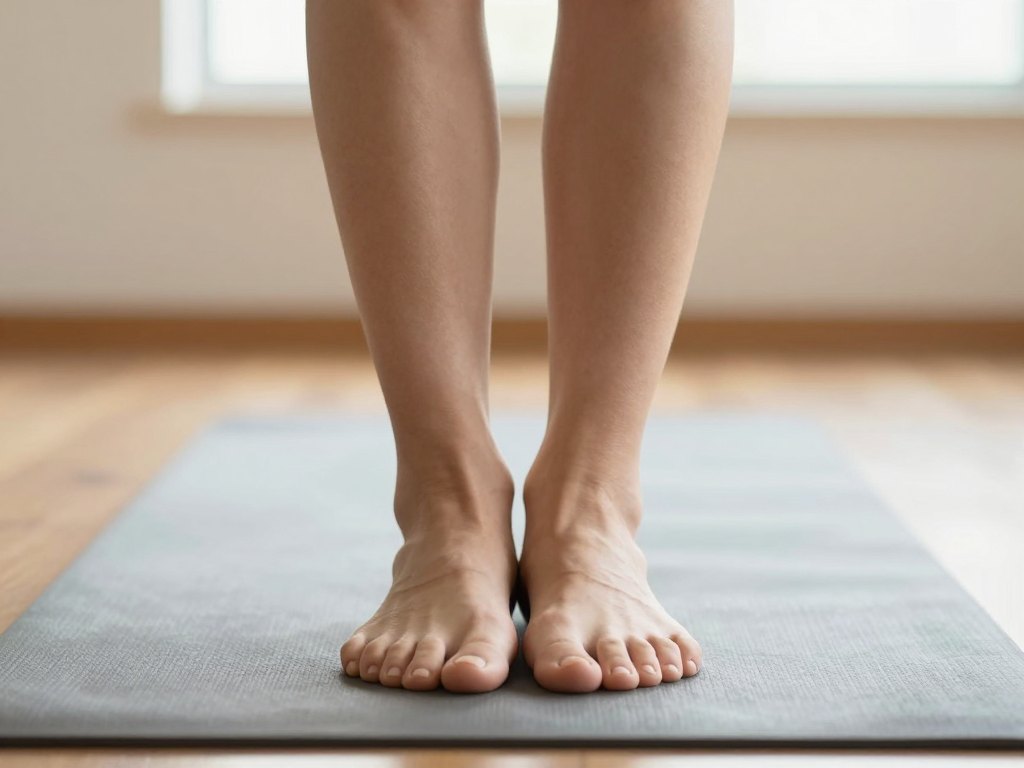
Every session follows the same quiet architecture. It begins on the floor or in a chair with joint work, so the body is warm before anything is asked of it. Then come standing poses and balance, built from the ground up: feet first, then knees, then hips, then the long line of the spine. The session closes with slower forward folds, a twist and a rest.
Breath runs through the whole thing. You are taught to keep the exhale longer than the inhale, to breathe into the back of the ribs, and to notice the moment when a pose stops being a stretch and becomes a strain. That attention is the actual skill of the practice, and it is what makes it safe to repeat for years.
Nothing in the programme requires extreme flexibility or strength. Where a pose is difficult, the lesson shows the supported version with a wall, a chair, a belt or a cushion, and then the next step up. You choose the version that matches the day you are having, which is why the practice holds up on low-energy days as well as good ones.
The lessons are short by design. A ten-minute sequence done four times a week changes more than a ninety-minute class attempted once a month, and the programme is built around that principle from the first module to the last.
How the course works
The programme is fully recorded and self-paced. After payment you receive access to the lesson library, organised into six modules that build on each other. You watch a lesson, practise along with it, and move on when you feel ready. There is no schedule to keep up with and nothing expires while you are away.
Each module contains four lessons of roughly ten to thirty minutes, plus written notes on what the sequence is for and which parts to repeat if something feels tight. You can follow the modules in order as a structured course, or open the library on a given morning and pick the session that matches your time and energy.
The lessons assume a normal home setting: a mat or a rug, a wall, a sturdy chair, a belt or towel, and a couple of pillows. No special equipment is needed, and every session includes a simpler version for small spaces and travel.
Because everything is recorded, you can repeat a lesson as many times as you like, pause it, go back to a detail, or practise the same module for a month before moving on. The material stays in your account, so the library becomes a long-term reference rather than a one-off event.
The programme
Six modules, twenty-four recorded lessons, arranged from the first gentle session to a full practice you can run on your own.
1Module 1 — Starting where you areThe foundations: how to stand, how to breathe, and how to build a first short routine.4 lessons · 10–20 min each
- Finding your base: feet, knees and hips
- Breathing before movement: a three-minute reset
- Your first fifteen-minute morning sequence
- Props at home: wall, chair, belt and cushions
2Module 2 — Joints and mobilitySlow, controlled work through every joint that stiffens during a desk day.4 lessons · 15–25 min each
- Neck and shoulders: undoing the desk day
- Wrists, elbows and shoulders without strain
- Hips: circles, low lunges and slow openings
- Spine: forward folds, backbends and gentle twists
3Module 3 — Posture and a strong backUpper-back and core strength so that upright posture stops being an effort.4 lessons · 20–30 min each
- Reading your own posture in a mirror
- Upper back strength for open shoulders
- Core support without holding your breath
- A twenty-minute sequence after a long sitting day
4Module 4 — Balance and legsStanding poses built from the ground up, with supported versions for every level.4 lessons · 20–30 min each
- Standing poses from the ground up
- Ankle and knee stability in daily movement
- Balance sequences with wall support
- Leg strength for stairs, hills and travel
5Module 5 — Breath, rest and recoveryThe quieter half of the practice: breathing, restorative poses and short resets.4 lessons · 10–25 min each
- Slow breathing: lengthening the exhale
- An evening practice for winding down
- Restorative poses with a bolster or pillows
- A short sequence for tense, overloaded days
6Module 6 — Building your own practicePut the pieces together into a weekly routine that survives real life.4 lessons · 15–30 min each
- Designing a ten-minute daily routine
- A thirty-minute full-body session
- Practising through busy weeks and travel
- Keeping a simple practice log
What you get
Everything is delivered inside your account, ready to use the same day.
- 24 recorded video lessons
Six modules of guided practice, from ten-minute resets to full thirty-minute sessions.
- Written notes for every module
What each sequence is for, which parts to repeat, and how to make a pose easier or harder.
- Supported versions of every pose
Wall, chair, belt and cushion options so the practice works at any level.
- A short-practice library
Ten-minute sequences for mornings, travel and days when there is almost no time.
- A weekly routine planner
A simple template for combining sessions into a schedule you will actually keep.
- A practice log
A one-page tracker to note what you did, how it felt and what to repeat next week.
- Self-paced access
Start any day, pause any lesson, repeat any module as often as you need.
- 14-day money-back guarantee
Try the first module and decide whether the practice suits you.
A practice that fits into a real week
The most common reason a yoga habit disappears is not motivation. It is the mismatch between a ninety-minute studio class and a Tuesday that ends at nine in the evening. This programme is built the other way round: the shortest sessions are the ones you are encouraged to use most, and the longer sequences are there for the days that allow them.
A realistic week looks like this: a ten-minute joint warm-up on three mornings, one twenty-minute posture session after work, and one longer practice at the weekend. That is under two hours in total, and it covers mobility, strength, balance and recovery.
If you miss a week, nothing breaks. The library does not lock and the modules do not expire, so you can return to the same lesson you left, or drop back to a short session until the routine rebuilds itself.
Is this course for you?
This course is for you if…
- Women who want a calm, structured yoga practice they can do at home without a live schedule.
- Anyone returning to movement after a long break, including after years without any exercise.
- Desk workers with stiff shoulders, tight hips and a back that complains by Friday.
- Women who prefer clear instruction and supported options over fast, athletic flows.
- People who want a library they can keep using for months rather than a single class.
Probably not a fit if…
- Anyone looking for a high-intensity workout, cardio training or weight-loss programme.
- People who want live classes, personal correction or one-to-one guidance.
- Anyone who needs a therapist's or clinician's supervision for a current condition — ask your doctor first and follow their advice.
- Students who expect advanced arm balances and deep backbends; this programme stays at a steady, accessible level.
After the course
A few weeks in, the change is usually small and physical rather than dramatic. You get out of bed and the first steps are not stiff. You notice when your shoulders creep up and you drop them without thinking. You have a ten-minute sequence you can run from memory in a hotel room.
Further along, the practice becomes a fixed part of the week rather than a project you are failing at. You know which session to open when you are tired, which one to choose when you have energy, and how to shorten everything when the day collapses.
That is the point of the programme: not a single transformation, but a reliable routine you can keep for years, adjusted to whatever shape your life takes next.
Questions before you start
How much time do I need each week?
Most students practise three to four times a week for ten to twenty minutes, with one longer session when there is time. That is under two hours a week. The programme works with two short sessions a week as well; it simply takes longer to move through the modules.
Do I need to be flexible or fit to start?
No. The first module assumes no yoga experience at all, and every pose is taught with a supported version using a wall, a chair, a belt or cushions. You choose the version that matches your body on the day.
What do I need at home?
A mat or a non-slip rug, a clear wall, a sturdy chair, a belt or a rolled towel, and two pillows. No other equipment is required, and the lessons show how to adapt the practice to a small space.
How does access work after payment?
Access is granted to your account as soon as the payment is confirmed, and the full lesson library opens immediately. You can start with the first module the same day, or come back to it weeks later.
What format are the lessons in?
Each lesson is a recorded video you practise along with, paired with short written notes explaining the purpose of the sequence and the options within it. There are no live sessions and no fixed class times.
Does the material stay available?
Yes. The lessons remain in your account, so you can repeat modules, return to a favourite session and keep using the library as a long-term reference.
Can I follow the programme if I have a current injury or condition?
This is general fitness and wellbeing education, not therapy. If you are recovering from an injury, are pregnant or have a condition that affects movement, speak to your doctor first and follow their guidance on what is appropriate for you.
What is the refund policy?
You have 14 days from purchase to request a refund. If the programme is not what you expected, contact support within that period and the payment is returned.
How long does the whole programme take?
The six modules contain twenty-four lessons. At three sessions a week you move through the core material in about two months; many students then repeat modules or settle into a weekly routine drawn from the library.
Start your practice this week
Twenty-four recorded lessons, six modules and a routine you can keep — with 14 days to decide.